Sugar beet ranks second behind sugar cane (269 million t vs. 1.88 billion t in 2013) for the provision of sugar.
In the world, 86% of sugar beet roots are processed into sugar and yield sugar beet pulp.
It has been reported that 1 ton of sugar beets yields approximately 150 kg of sugar and 50 kg of dehydrated sugar beet pulp.
Sugar beet processing is the production of sugar (sucrose) from sugar beets. Byproducts of sugar beet processing include pulp and molasses.
Most of the molasses produced is processed further to remove the remaining sucrose. The pulp and most of the remaining molasses are mixed together, dried, and sold as livestock feed.
Sugar Beets Pulp
Sugar beet pulp is the fibrous, energy rich by-product resulting from the water extraction of sugar contained in the root of the sugar beet.
Sugar beet pulp is relished by all classes of farm animals (ruminants, pigs, poultry, rabbits and also horses) and much valued by farmers.
It has outstanding feeding value gathering qualities of both chopped hay (for fiber) and maize (for energy content).
Dehydrated sugar beet pulp is often found in the form of pellets that have been granulated, sometimes by using molasses as binding agent.
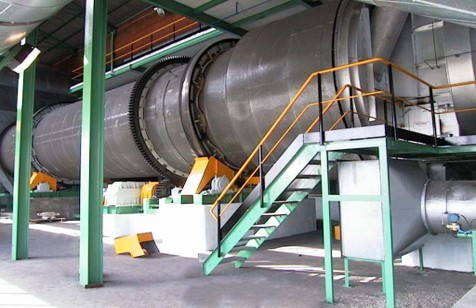
In order to produce dehydrated sugar beet pulp, the pulp is first pressed to extract residual sugar and water and then dehydrated in a drum steam dryer (down to 11% moisture) and pelletized (with possible addition of molasses as binding agent) for better preservation.
Sugar Beets Pulp
The main form in which sugar beet pulp is traded and fed to livestock is the dehydrated form.
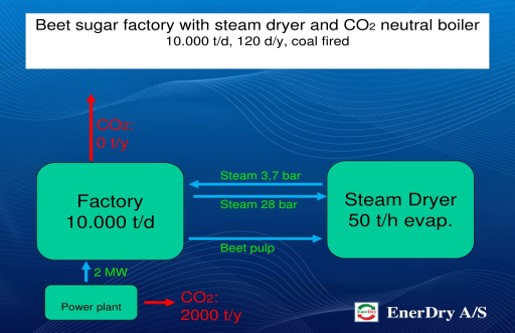
However, drying sugar beet pulp requirements are equivalent to 33% of the energy consumption of the sugar factory (Mujumdar, 2014). To this respect dried sugar beet pulp is not considered environment-friendly.
Solution
Our customer and partner of Success Canal Sugar factory which is located in Minya Governorate in Upper Egypt where the powerful and shiny sun rays cover the land most of the day had a brilliant idea to replace the legacy beet pulp drying process with an environmental-friendly process depends on the power of the Sun.
Canal Sugar team built six platforms 1200m² each with three trolleys for each platform.
The first trolley was built with huge scrubbers to take the wet pulp that came out from the sugar production process and spread it equally along the whole platform to be exposed directly to the sun rays.
The second and the third trolleys were built with huge mixers to continuously mix and blend the pulp so it can be dehydrated equally to the same moisture level.
Mission
Our customer needed a specialized automation service provider who can turn his ideas into reality and build his fully automated and controlled system.
In early 2023, we were rewarded with the contract for the pulp sun dryer automation system after a very tough competition with ABB Egypt and Siemens top system integrators in the region.
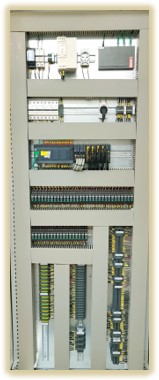
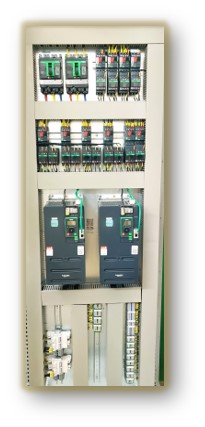
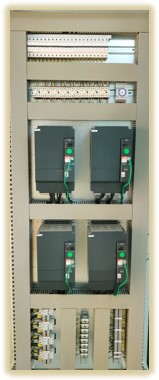
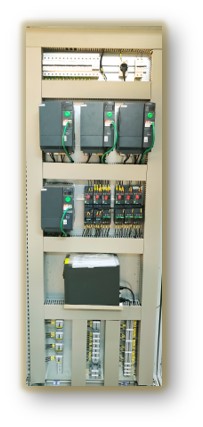
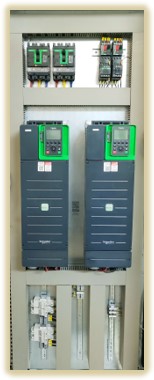
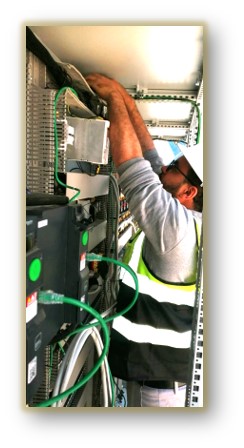
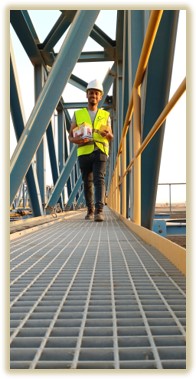
Our mission was to: – Design and build MCCs, Power, and Control panels. – Design the control system architecture. – Programming VSDs, PLCs, and HMIs. – Installation and calibration of sensors and instrumentations. – Design and implementation of wireless network that connects the platforms with the control room. – Design and implementation of the SCADA system. – On-site installation, Commissioning, and Startup.
Success
The project contract is the biggest in the history of our company till now, with 1.5 million euros for the six platforms. We have successfully delivered the entire project and get it in service by the mid of 2024. We have succeeded in building the system using Schneider Electric products like:
– Altivar Machine VSDs ( ATV340 – ATV320 ).
– Modicon controllers ( TM241 – TM221).
– Harmony HMIs.
– AVEVA Edge SCADA software.
Rewards
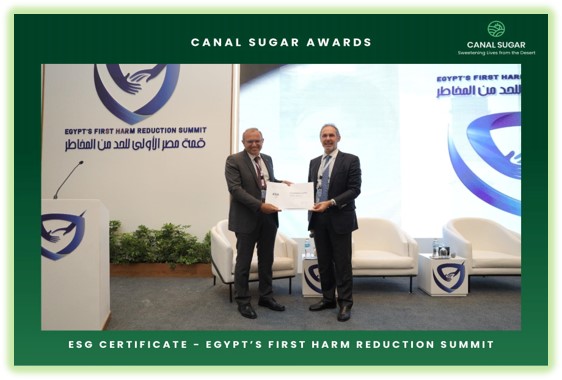
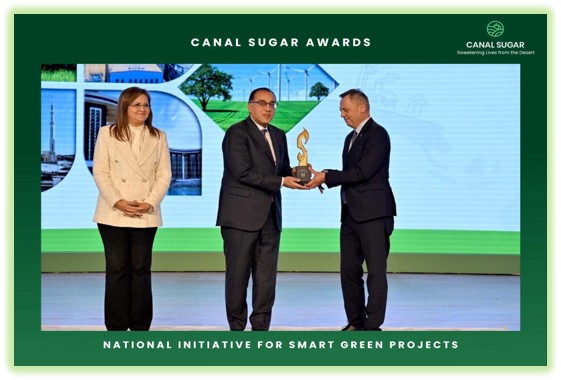
After the great results in the 2023 season Canal Sugar got two rewards for the Pulp sun dryer project.
– The Top spot nationwide in the National Initiative for smart green projects.
– ESG Certificate at Egypt First Harm Reduction Summit.